Related Solutions
Security threats do not follow business hours. A quiet perimeter in the middle of the afternoon can become a vulnerable entry point after sunset. A well-lit lobby during the day can turn into a dim access area at night. For security teams, the challenge is not simply detecting movement. It is detecting the right movement, in the right place, at the right time, without relying on lighting conditions to do all the heavy lifting.
That is where OPTEX sensing technology plays an important role.
Unlike standard visual surveillance, which can be affected by darkness, shadows, glare, reflections, or changing weather conditions, OPTEX sensors are designed to detect activity based on physical movement, presence, distance, heat, and object behavior. This helps create a stronger layer of detection that remains active around the clock, whether the site is operating in broad daylight or after hours.
Why Day and Night Detection Require More Than Cameras
Cameras are essential for verifying what happened, but they are not always the best first line of detection. During the day, sunlight, moving shadows, vehicle headlights, or busy environments can make it difficult to identify meaningful activity. At night, low visibility, harsh contrast, and poor lighting can limit what a camera can capture on its own.
A reliable security system needs detection that is not dependent on whether the scene is bright, dark, backlit, or partially obscured. OPTEX sensors help fill that gap by identifying intrusions through sensing technologies that are built for accuracy, stability, and environmental awareness.
REDSCAN LiDAR Detection for 24/7 Precision
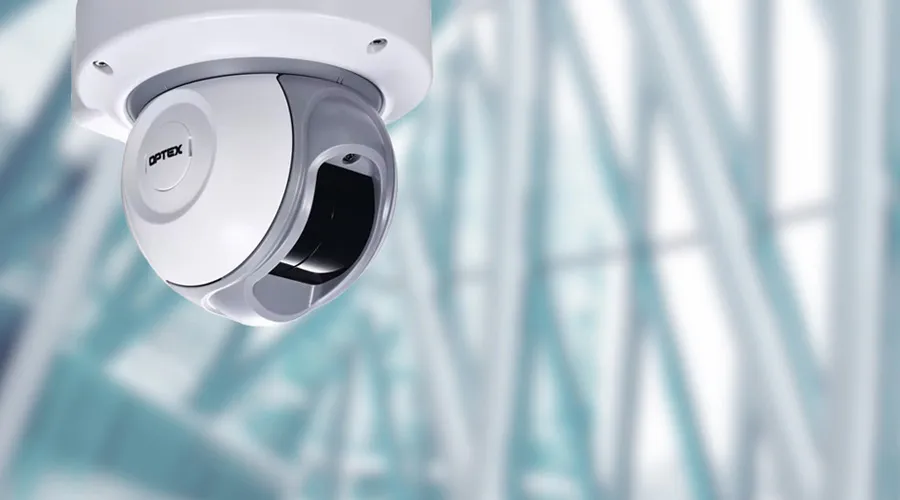
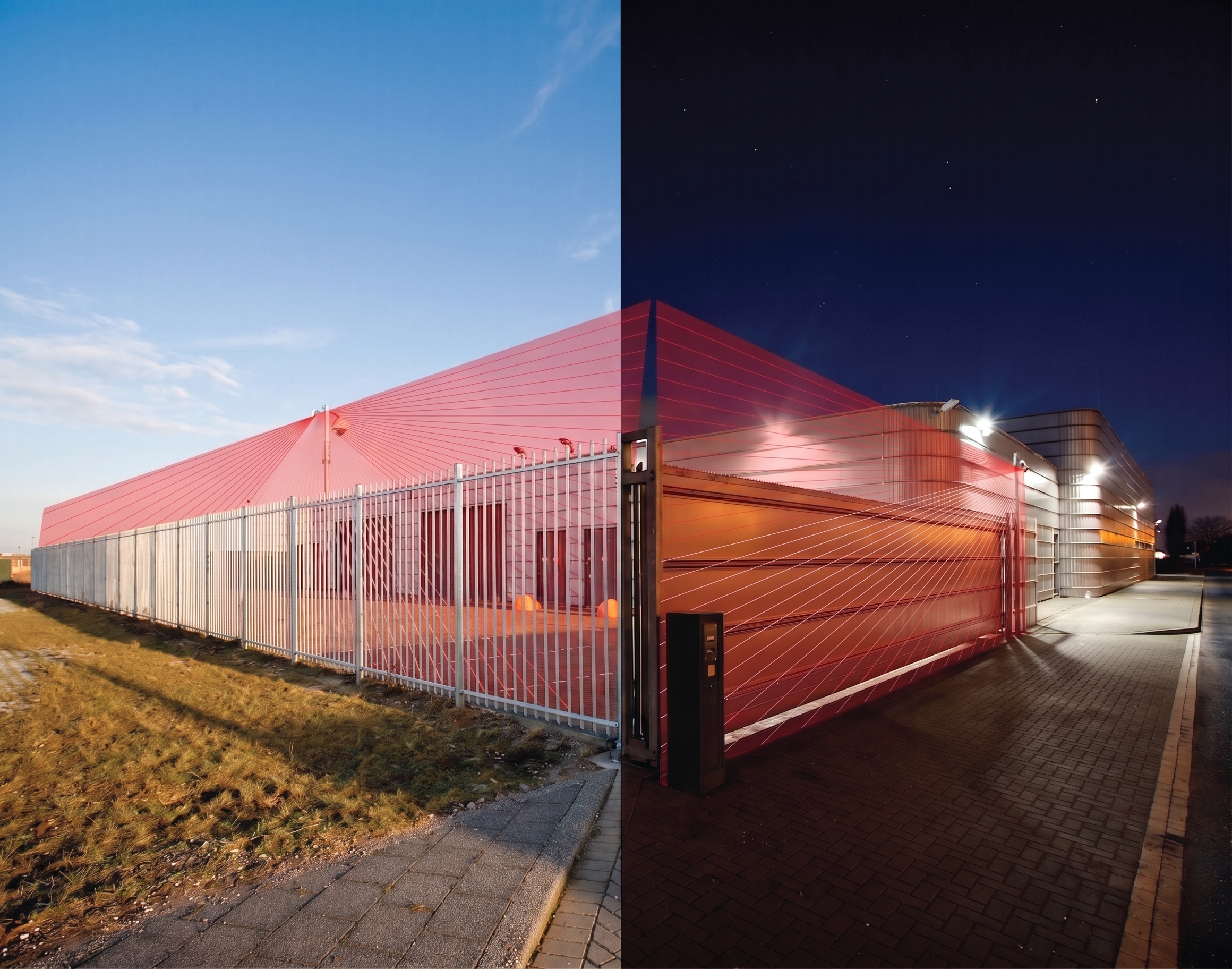
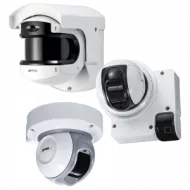
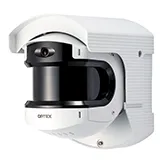
The OPTEX REDSCAN LiDAR Sensor Series is a strong example of detection that performs consistently in both day and night conditions. REDSCAN uses LiDAR technology to identify the size, speed, and distance of a moving object, creating an invisible detection wall or plane for indoor and outdoor applications. Because the technology is not dependent on visible light, REDSCAN can provide stable detection even when lighting conditions change throughout the day.
This makes the REDSCAN Series especially valuable for areas where accurate detection matters most, such as facility perimeters, rooftops, restricted zones, entry points, and high-security environments. Instead of waiting for a camera to capture activity after someone has already entered an area, REDSCAN can detect movement within a defined zone and trigger an immediate response.
The REDSCAN Pro Series takes this a step further with onboard LiDAR analytics that analyze the size, speed, and distance of moving objects while tracking X and Y coordinates. This allows the sensor to provide detailed point detection and stable performance at anytime of day without being affected by light or temperature.
For sites that operate 24/7, this level of consistency is critical. A perimeter should not become less secure when the sun goes down, and an outdoor detection zone should not lose reliability because the lighting has changed.
Outdoor Detection That Adapts to Real-World Conditions
While LiDAR is ideal for precision applications, many sites also need layered outdoor protection around buildings, windows, driveways, loading areas, and immediate property boundaries. OPTEX outdoor PIR and dual-technology detectors help support these spaces by detecting movement across defined areas while helping reduce nuisance alarms.
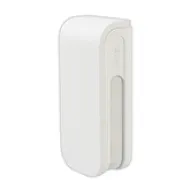
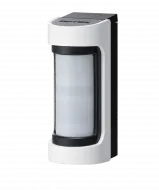
The VX Shield Series, for example, provides 40 ft by 90° outdoor detection coverage and includes PIR and dual-tech models with features designed for reliable outdoor performance, including animal tolerance, anti-masking options, and digitally enhanced signal recognition.
For building perimeters and immediate boundary protection, the BX Shield Series provides outdoor curtain detection for areas such as windows, walls, entrances, and narrow spaces around a building. Its left and right detection sides can be adjusted independently, helping protect specific areas without overextending coverage into spaces that do not need monitoring.
These types of sensors help support day and night security by focusing on movement and intrusion behavior rather than relying only on visibility.
Indoor Protection After Hours
Day-to-night detection is not limited to outdoor security. Many facilities also need reliable indoor detection after closing, especially in offices, retail spaces, warehouses, schools, and high-value commercial environments.
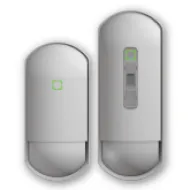
The OPTEX FlipX Series is designed for indoor intrusion detection and includes PIR and dual-tech options for different application needs. Its 180° rotatable lens allows the detection pattern to be adjusted from a wide area to a narrow pattern, making it suitable for open rooms, hallways, windows, and long passageways. For more focused areas that require precise LiDAR detection, the REDSCAN Lite can also help protect spaces such as entrances, skylights, storage areas, and valuable displays.
This flexibility is especially useful in spaces where the security needs may vary. A wide detection pattern can help cover an open area, while a narrow pattern or compact LiDAR detection area can help focus protection along a specific path or vulnerable entry point. With the right sensor placement, facilities can maintain reliable indoor awareness long after the lights are turned off.
Building a Stronger 24/7 Security Layer
The most effective security systems do not rely on a single technology. Cameras, access control, alarms, and sensors all serve different purposes. Cameras provide visual verification. Access control helps manage authorized entry. Sensors provide the critical first layer of awareness by detecting activity as it happens.
By combining OPTEX sensing technologies, facilities can build a layered detection approach that works throughout the entire day and night cycle. REDSCAN LiDAR sensors can provide precise detection for high-security areas and perimeters. VX Shield and BX Shield detectors can help protect outdoor boundaries and approach areas. FlipX indoor sensors can support after-hours protection inside the building.
Together, these technologies help security teams move from passive monitoring to proactive detection.
Reliable Detection Does Not Clock Out
Whether it is midday, midnight, or the early hours before opening, security systems need to perform consistently. Changing light conditions should not create blind spots, and darkness should not reduce confidence in the system.
OPTEX sensors are designed to help maintain that confidence with sensing technologies that support accurate, stable, and reliable detection around the clock. From LiDAR-based perimeter protection to indoor and outdoor intrusion detection, OPTEX helps facilities stay aware of activity before it becomes a larger security issue.
Because true protection is not just about seeing what happened. It is about knowing when something is happening, day or night.
You may be interested in


Activation vs. Presence Detection: Different Jobs, Working Together
From the moment someone approaches an entrance to the moment they move safely through it, automatic door sensors play different roles in keeping the door functional and safe. Understanding the difference helps illustrate why both functions are important in automatic door applications.