Related Solutions
Preserving cultural heritage comes with a unique set of challenges. Museums and historic sites are responsible for safeguarding irreplaceable objects while maintaining spaces that feel open, accessible, and engaging. Traditional security measures can sometimes interfere with those goals.
To meet the demands of modern exhibit design, many institutions are turning to advanced sensing technologies such as LiDAR. These solutions make it possible to detect and respond to threats with precision, without disrupting the environment or the visitor experience.
Security that Preserves Design Intent
In many gallery settings, physical barriers or visible sensors are not desirable. They can disrupt sightlines, limit accessibility, or clash with architectural and curatorial intent. At the same time, the need for reliable security remains constant.
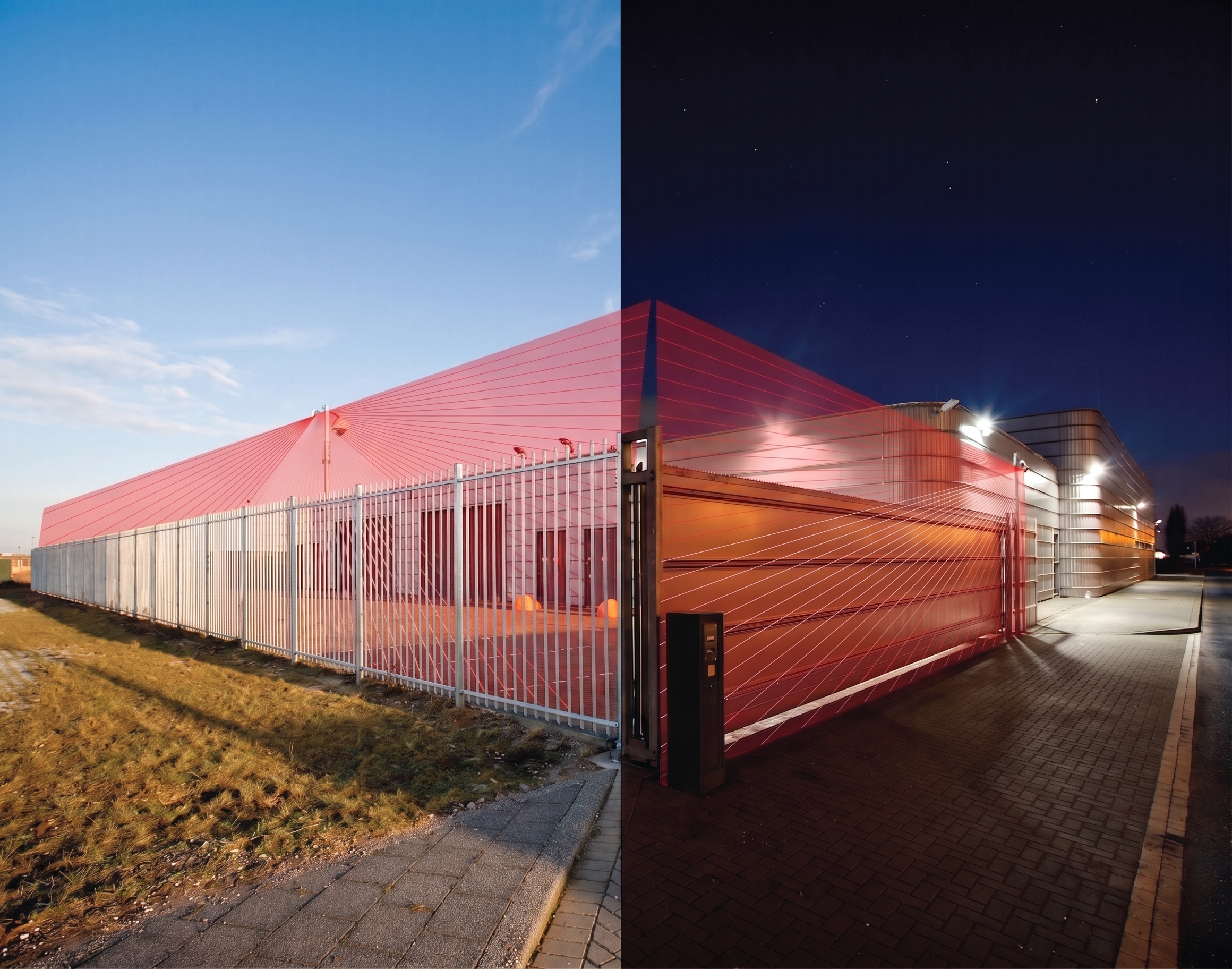
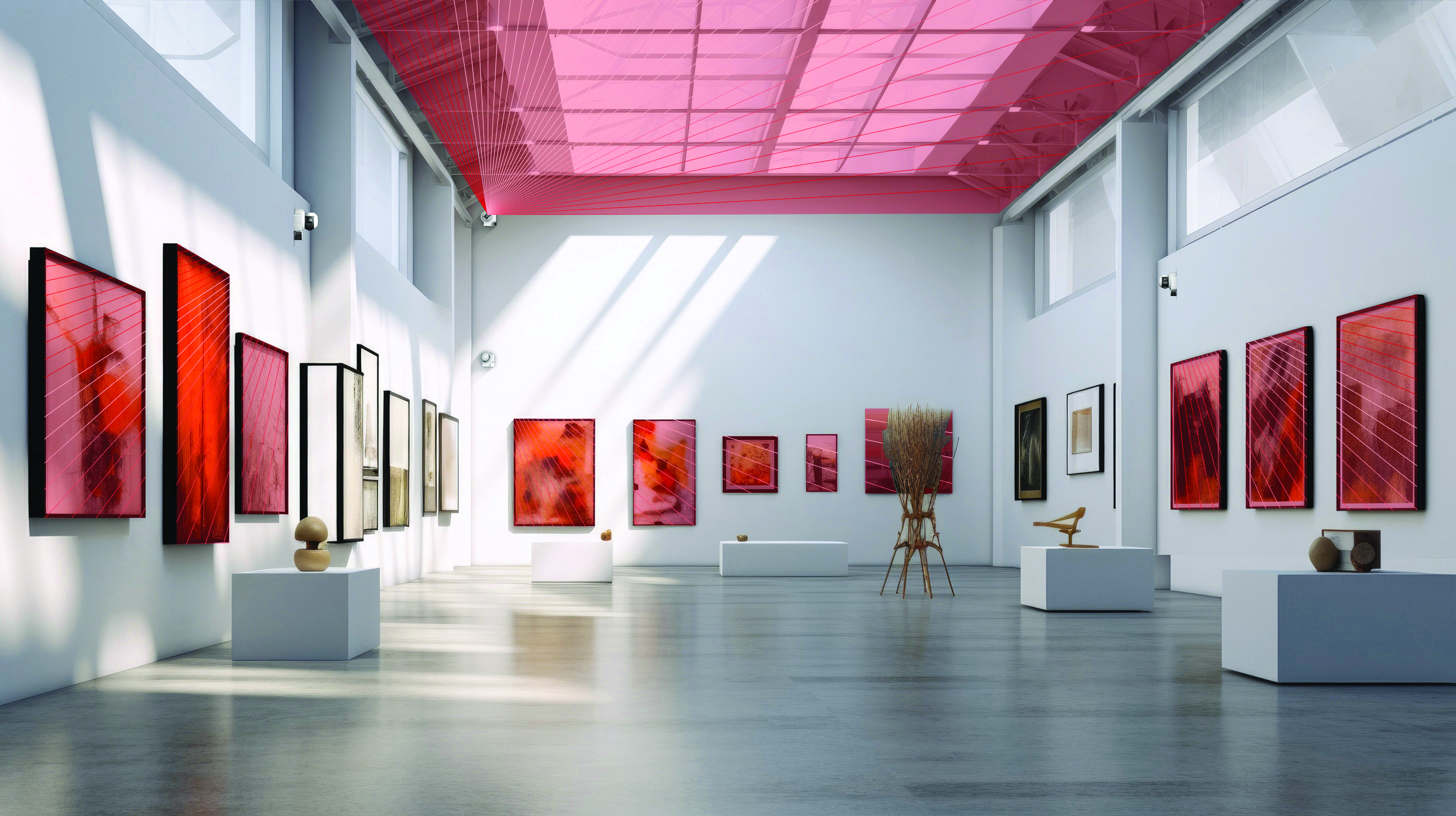
LiDAR provides and effective alternative. By using laser-based detection to scan a defined area, LiDAR sensors create invisible virtual zones that trigger alerts when movement is detected. These zones can be configured horizontally or vertically and customized to match the layout of individual exhibits, rooms, or architectural features.
In one recent museum application, a virtual ceiling was created above a group of high-value displays using LiDAR detection. The sensor established an invisible detection plane that monitored the space from above, triggering an alert if someone entered the protected zone. This approach allowed the musum to secure sensitive artifacts without adding physical barriers or drawing attention away from the exhibit itself.
Matching the Right REDSCAN Model to the Application
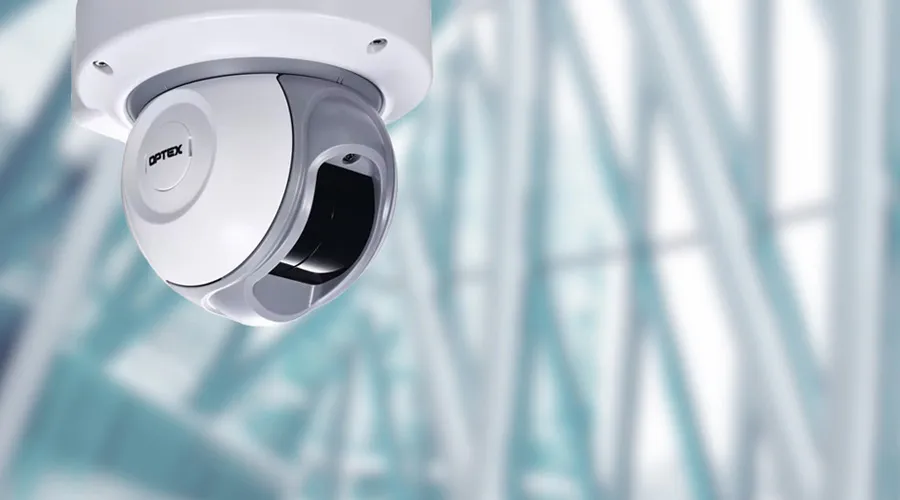
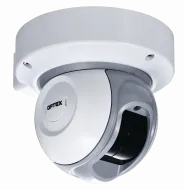
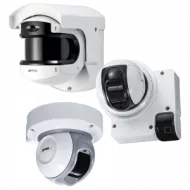
The REDSCAN LiDAR Series includes a range of sensors designed to address the diverse security needs found within museums and cultural institutions. Each model offers precise detection zones, flexible mounting options, and seamless integration with existing security systems.
REDSCAN Lite (RLS-1010L)
Designed for discreet indoor protection, REDSCAN Lite is ideal for securing smaller, sensitive zones within museums. With a 33 by 33 foot detection area and a compact footprint, it can be used to protect display cases, glass enclosures, shelving, skylights, or interior access points. its precise object tracking capabilities allow curators and security teams to create invisible walls or ceilings around valuable artifacts without compromising sightlines or exhibit design. REDSCAN Lite is especially well suited for galleries seeking reliable protection with streamlined setup and minimal installation impace.
REDSCAN mini (RLS-2020i and RLS-2020S)
Well suited for exhibit rooms and design-sensitive areas, the REDSCAN mini provides accurate detection in a compact form. With a wide detection angle and coverage up to 65 by 65 feet, it can be mounted horizontally or vertically to match exhibit layouts. The indoor model is optimized for controlled environments, while the weather-resistant version extends protection to semi-sheltered or outdoor cultural spaces.
A Seamless Fit for Cultural Spaces
REDSCAN LiDAR sensors are designed with aesthetics and integration in mind. Sensors can be discreetly installed on walls or ceilings and configured to align with exhibit layouts without drawing attention. Detection zones are fully adjustable, allowing security teams to protect areas with complex shapes, delicate materials, or changing exhibit configurations.
These solutions perform reliably across a wide range of lighting and environmental conditions and integrate easily with existing security infrastructure for centralized monitoring and control.
Trusted in the Field
REDSCAN LiDAR sensors are already deployed in museums and cultural institutions across North America. They have been selected to protect valuable collections in high-traffic public spaces where traditional security approaches are not suitable. In these environments, LiDAR provides quiet, dependable protection that supports both security objectives and the overall visitor experience.
Safeguarding Culture Without Compromising the Experience
Museums and cultural sites must balance preservation, accessibility, and design while protecting irreplaceable artifacts. LiDAR-based detection makes it possible to secure exhibits invisibly, creating precise virtual boundaries that adapt to unique architectural and curatorial requirements.
With options ranging from compact indoor solutions like REDSCAN Lite to advanced long-range models within the REDSCAN series, museums can select the right level of protection for each space. The result is unobtrusive, reliable security that safeguards cultural heritage while preserving the integrity of the visitor experience.
You may be interested in


Activation vs. Presence Detection: Different Jobs, Working Together
From the moment someone approaches an entrance to the moment they move safely through it, automatic door sensors play different roles in keeping the door functional and safe. Understanding the difference helps illustrate why both functions are important in automatic door applications.