Related Solutions
Related Product Series
Related Product
Introduction
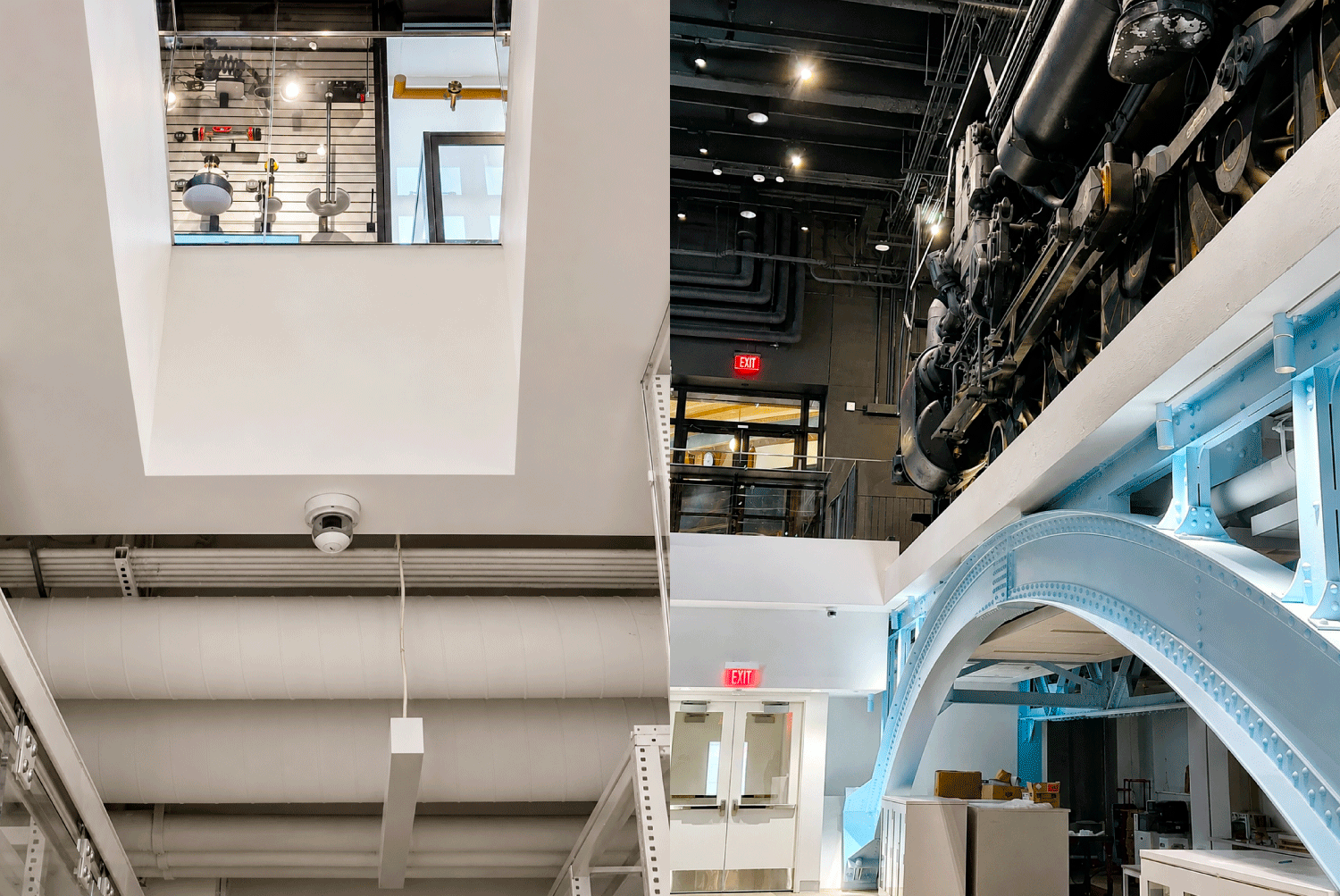
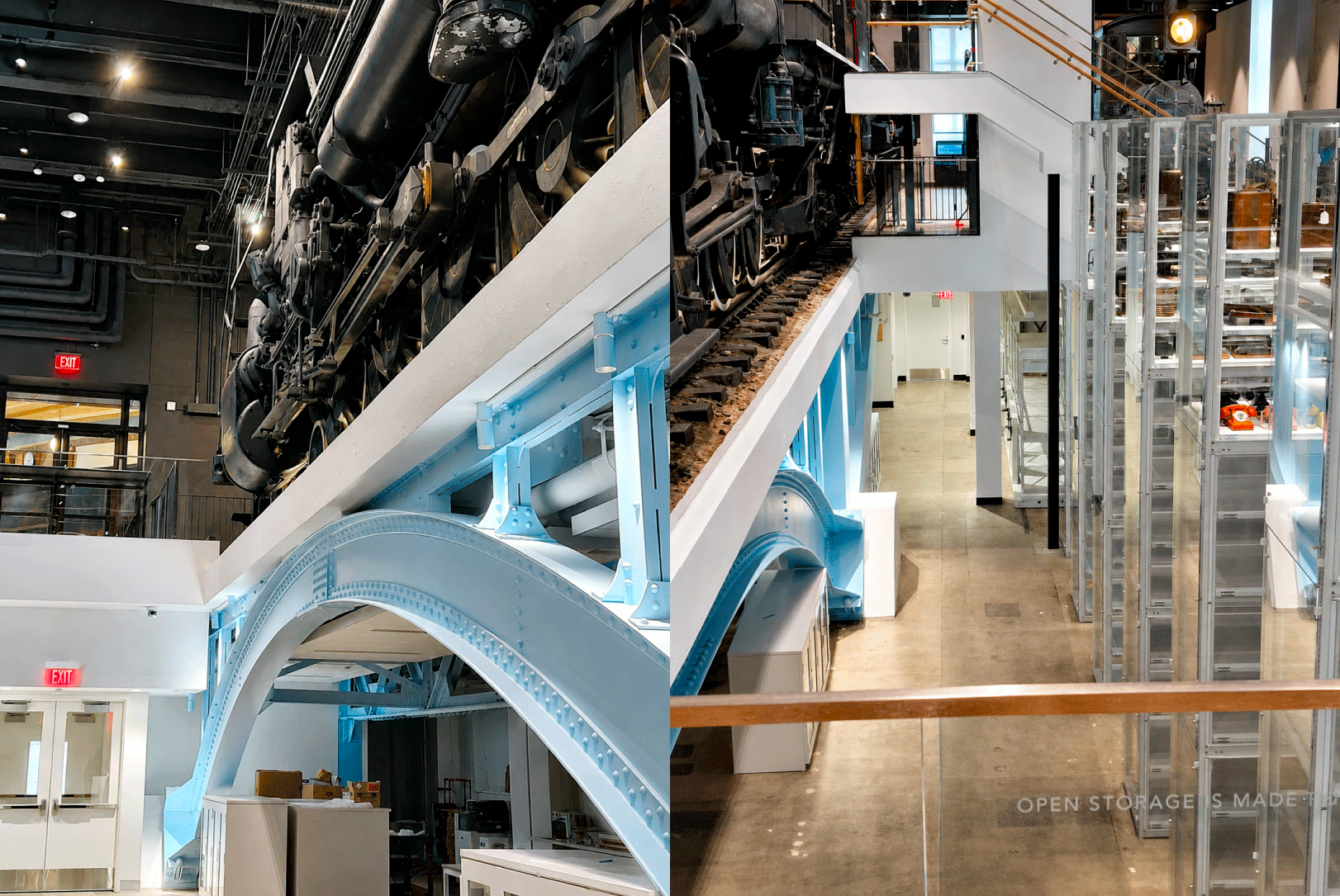
The Franklin Institute, a renowned science museum in Philadelphia, recently undertook a major renovation as part of its bicentennial celebrations. Among the newly reimagined exhibits was the Collections Gallery, which required an advanced security solution to safeguard priceless artifacts while maintaining an open and engaging environment for visitors. OPTEX provided an innovative solution with our REDSCAN mini RLS-2020i indoor LiDAR sensor, ensuring the protection of valuable assets without compromising the exhibit’s aesthetic appeal.
The Site
The Franklin Institute, one of the oldest and most prestigious science museums in the United States, is dedicated to inspiring a passion for learning through interactive exhibits and groundbreaking research. As part of its 200th-anniversary enhancements, the museum unveiled a reimagined Collections Gallery, showcasing rare and historically significant artifacts. This space was designed to be visually accessible while incorporating modern security measures to prevent unauthorized access to the valuable exhibits.
The Challenge
The newly remodeled Collections Gallery presented a unique security challenge: how to provide high-level protection for priceless artifacts without obstructing visibility or diminishing the visitor experience. Traditional security measures, such as physical barriers or bulky sensors, would detract from the exhibit’s open-concept design. The museum needed a solution that could discreetly monitor and secure the display area without interfering with the aesthetics or accessibility of the gallery.
The Solution
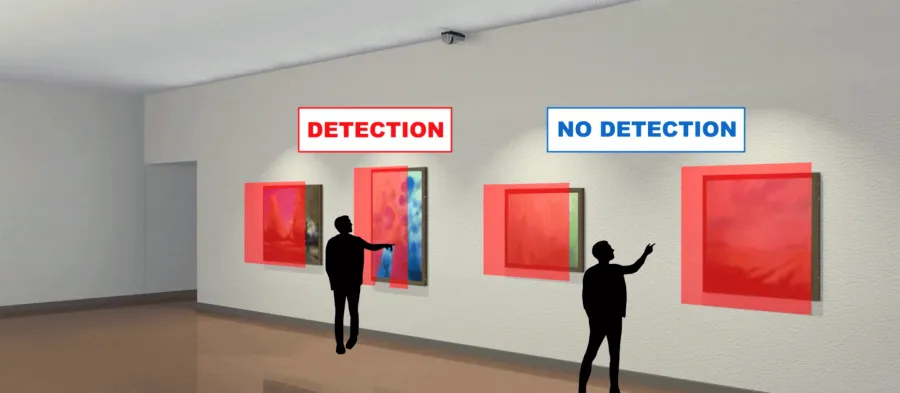
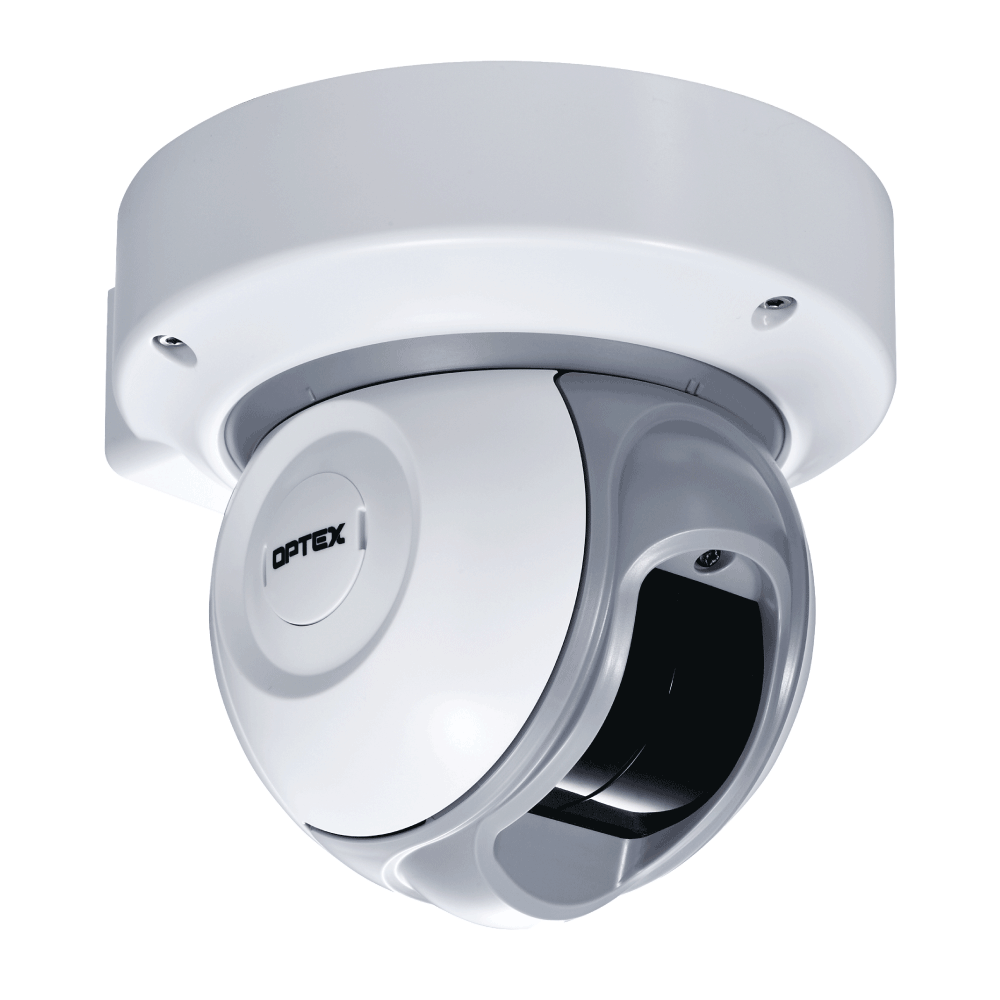
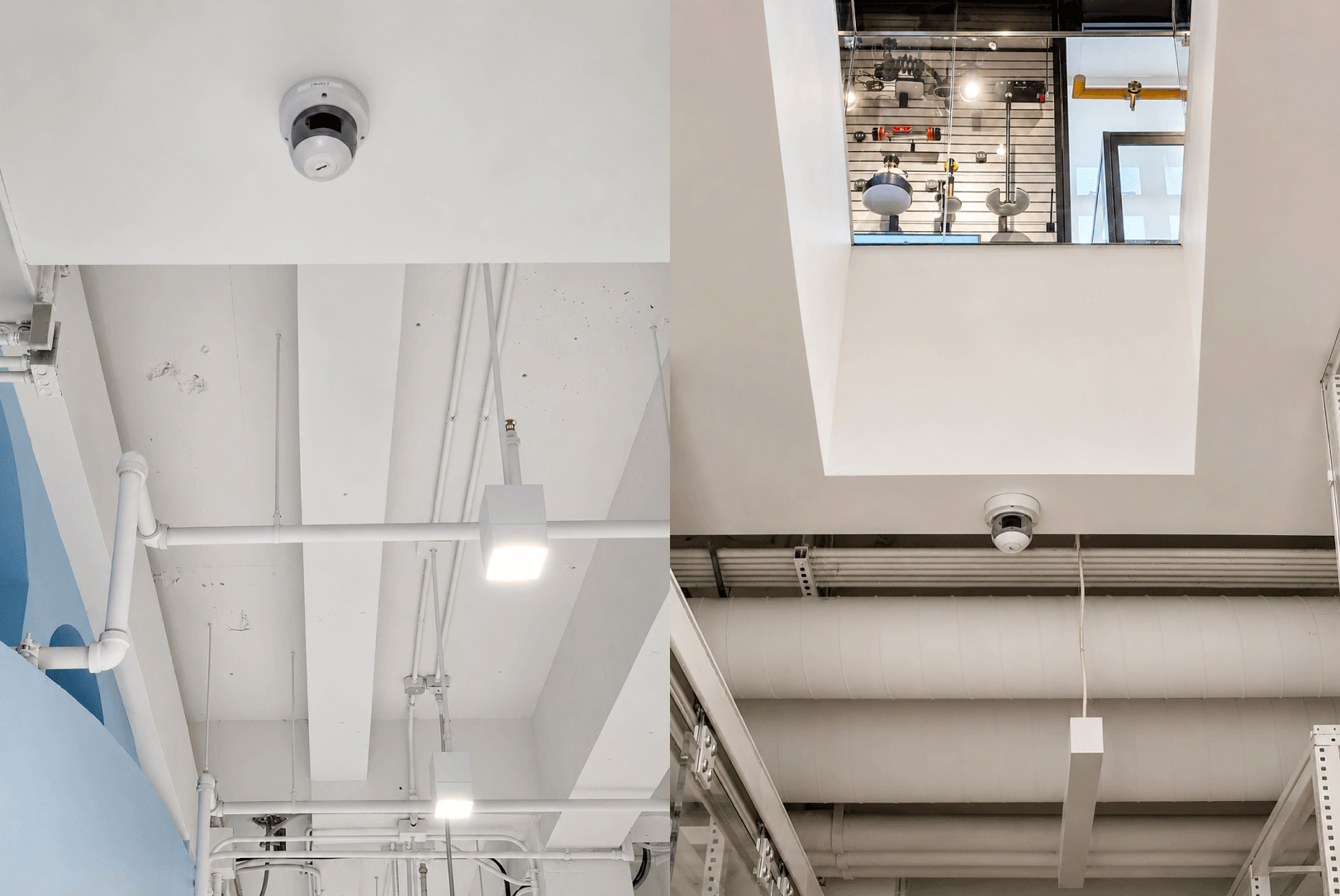
To address these challenges, the Franklin Institute’s security consultant, BALA, specifically selected the OPTEX REDSCAN mini RLS-2020i indoor LiDAR detector. This compact and highly customizable detector creates an invisible LiDAR security plane, offering discreet yet effective intrusion detection.
The RLS-2020i was strategically implemented to create a “virtual ceiling” barrier from the exhibit above into the valuable Collections Gallery. This invisible layer of security detects any unauthorized movement within the designated zone and triggers an immediate alert if an object or person breaches the ceiling area from above. Its ability to define precise detection zones allows security engineers to customize coverage while ensuring seamless integration with the museum’s existing security systems. By leveraging this technology, the Franklin Institute achieved enhanced protection without compromising the exhibit’s open design.
The Outcome
With the installation of the OPTEX REDSCAN RLS-2020i mini LiDAR detector, the Franklin Institute successfully enhanced the security of its Collections Gallery without compromising its design vision. The virtual ceiling technology provided an effective yet discreet solution, allowing visitors to fully engage with the exhibits while ensuring the safety of the museum’s invaluable artifacts. This case study highlights how advanced sensing technology can be seamlessly integrated into cultural institutions to preserve both security and visitor experience.
You may be interested in


How OPTEX REDSCAN LiDAR Withstood Harsh Weather at a Major Airport
OPTEX REDSCAN LiDAR helped a major U.S. airport dramatically reduce false alarms along perimeter fence areas where traditional motion and IR detectors struggled with vegetation, storms, and changing weather. Designed for reliable outdoor detection, REDSCAN provided accurate field awareness, simple contact closure integration, and dependable performance even in harsh conditions, including operating while encased in ice.
Closing Perimeter Security Gaps at a Critical Infrastructure Substation with REDSCAN LiDAR
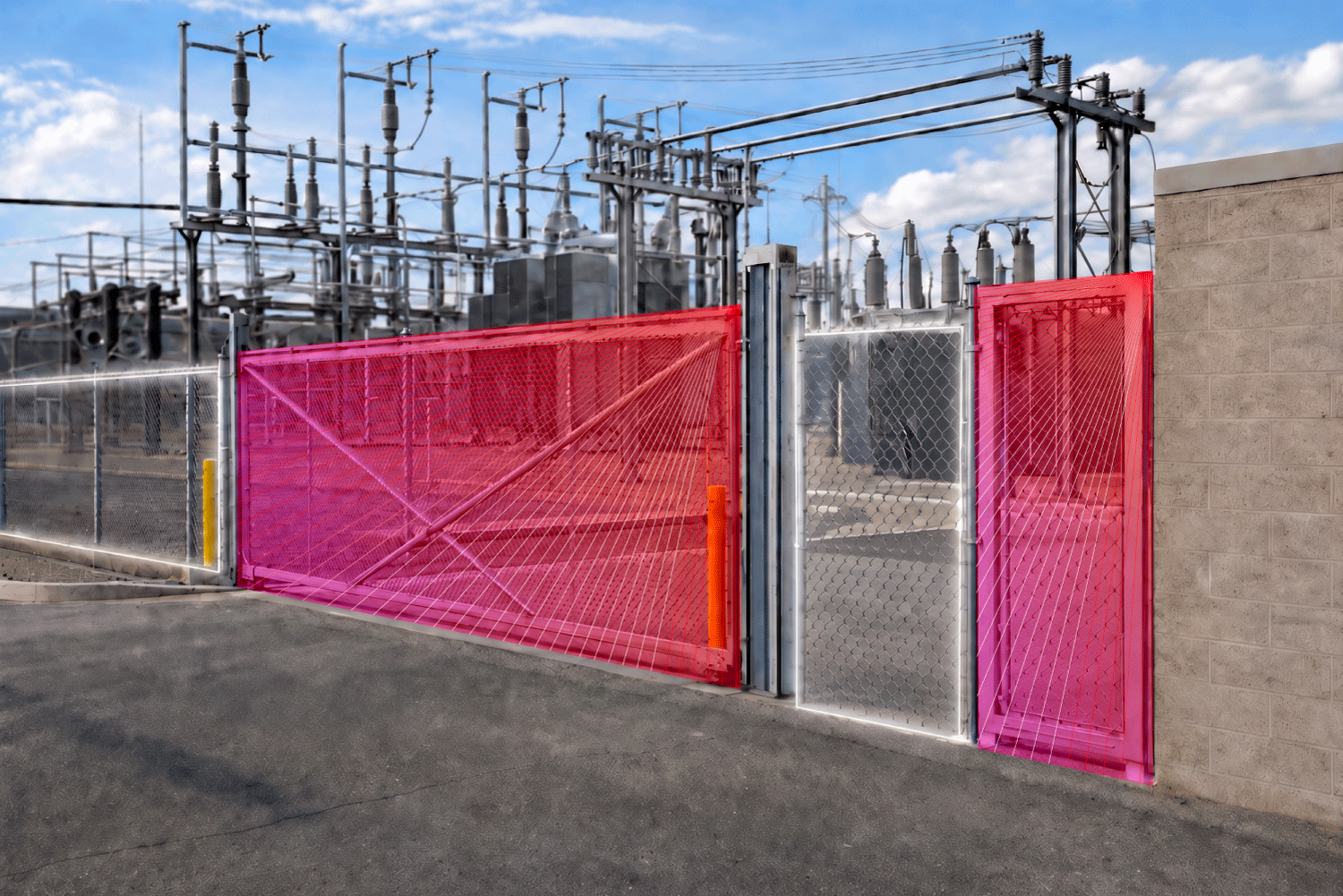
A critical infrastructure electrical substation in the New York City area needed to close perimeter security gaps created by vehicle and pedestrian entrances. By integrating OPTEX REDSCAN mini-Pro LiDAR sensors with the site’s intrusion detection and video management systems, the project team extended reliable detection across access points and achieved complete perimeter coverage.
Versatility of the OAM-EXPLORER Increases Productivity in American Airlines Baggage Terminal
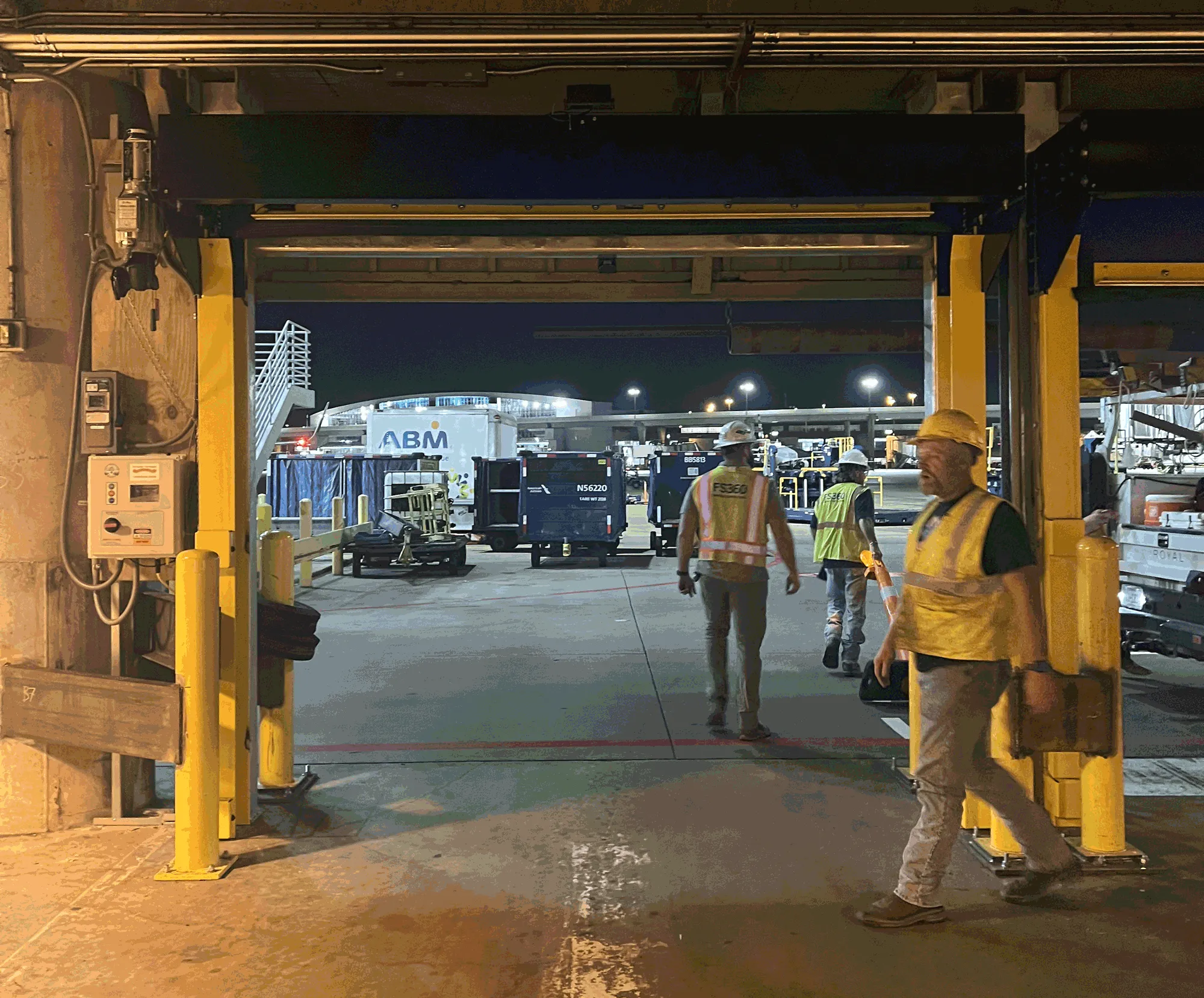
Overhead Door Company of Fort Worth was tasked with not only installing Overhead Door Model 994 doors but also testing multiple sensing devices to increase efficiency in this unique harsh environment at Dallas Fort Worth International Airport.